
Building a custom timber home involves more than choosing a floor plan or selecting finishes. It also means assembling the right team of professionals to help coordinate the project from early planning through timber frame installation. One of the most common questions homeowners ask early in the process is whether they need a custom home builder or a general contractor — and where a timber framing company fits into the equation.
While the terms are sometimes used interchangeably, custom home builders and general contractors serve different roles during residential construction. Understanding how each professional contributes to a project can help homeowners make informed decisions, avoid confusion during construction, and create a smoother building experience overall.
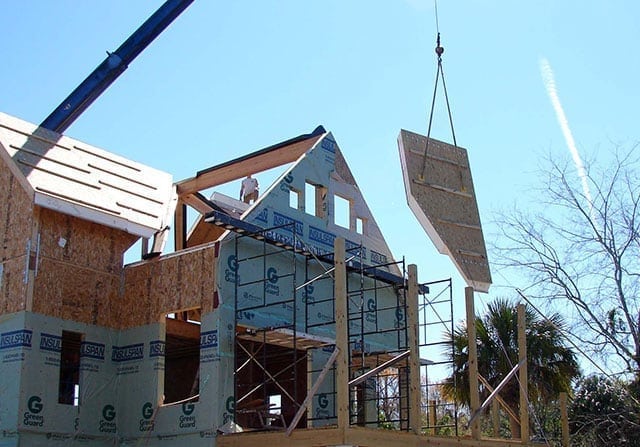
For custom timber homes, the process often includes an additional specialized partner: the timber framing company. Companies like Riverbend Timber Framing provide specialized architectural design, structural engineering, precision-fabricated timber packages, and structural insulated panel (SIP) systems that integrate with the overall home design. Riverbend’s expert team assembles the timbers and SIP shell onsite, while local builders and contractors complete the remaining phases of construction.
Custom Home Builder vs. General Contractor: What’s the Difference?
A custom home builder and a general contractor both play important roles in residential construction, but they typically become involved at different stages of a project and manage different responsibilities.
A custom home builder often enters the process early, helping homeowners navigate design decisions, budgeting, scheduling, and overall project planning before construction begins. In many cases, the builder coordinates closely with architects, engineers, interior designers, and specialty partners to create a cohesive plan that aligns with the homeowner’s vision, lifestyle, and budget.
A general contractor, by contrast, primarily focuses on construction execution. Once plans and specifications are finalized, the contractor oversees onsite construction, coordinates subcontractors, manages scheduling, handles inspections, and ensures the project complies with local building codes and approved construction documents.
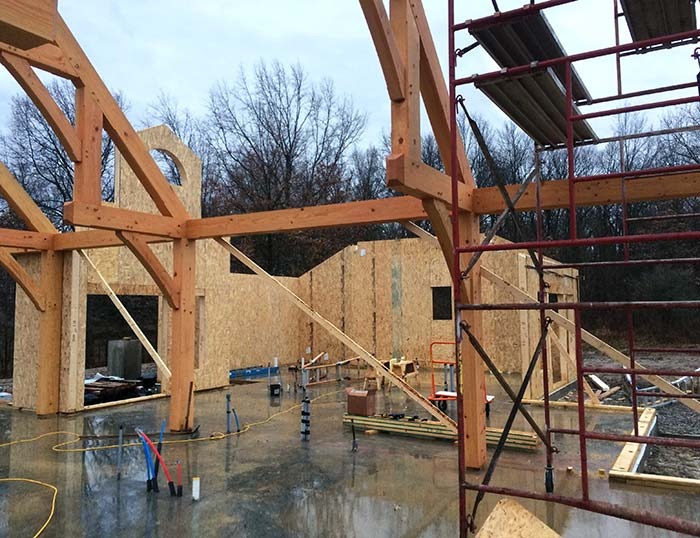
For highly customized homes — especially timber frame homes with exposed structural elements, vaulted spaces, and specialized engineering requirements — both roles often work together as part of a collaborative project team.
What Does a Custom Home Builder Do?
A custom home builder typically manages the overall process of creating a one-of-a-kind home tailored to the homeowner’s goals and preferences. Builders often become involved during the early planning phase and help guide decisions related to:
- Design coordination
- Budget development
- Scheduling and sequencing
- Material selections
- Permitting support
- Construction logistics
- Project coordination support
In integrated or design-build style projects, custom builders may collaborate closely with architects, engineers, and specialty consultants throughout the process to help align design intent with construction realities and budget expectations.
Homeowners who want a highly personalized home and prefer a more centralized planning experience often choose to work with a custom home builder because it helps streamline communication and coordination during planning and construction.
For complex homes that involve timber framing, large open spans, high-performance building envelopes, or highly customized architectural details, early collaboration between the builder and specialty partners can help improve constructability and reduce costly revisions later in the process.
What Does a General Contractor Do?
A general contractor focuses primarily on managing the construction phase once plans and specifications are complete. The contractor organizes labor, schedules subcontractors, oversees site operations, coordinates inspections, and ensures the home is built according to approved plans and local code requirements.
General contractors typically coordinate trades such as:
- Excavation
- Concrete and foundations
- Framing
- Roofing
- Plumbing
- Electrical
- HVAC
- Interior finish work
They also manage day-to-day construction scheduling, site logistics, subcontractor coordination, safety oversight, and payment processing to keep the project moving efficiently.
Some homeowners hire a general contractor after working independently with an architect or designer to complete the plans. Others work with a contractor recommended by their architect, custom builder, or timber framing company.
For many timber frame homes, the general contractor plays a critical role in coordinating onsite construction while collaborating closely with Riverbend and other specialized design and fabrication partners.
Where Does a Timber Framing Company Fit In?
Timber frame homes require specialized structural design, engineering, fabrication, and installation expertise that differs from conventional residential construction. That is where a timber framing company becomes an essential part of the project team.
Riverbend’s role may include:
- Architectural design services
- Collaboration with third-party architects
- Timber frame engineering and detailing
- Fabrication of custom timber packages
- Structural insulated panel (SIP) integration
- Assistance connecting homeowners with qualified builders
- Coordination with local contractors and project teams
Once the timber package is fabricated and delivered, the local builder or general contractor typically manages site work, foundations, utilities, permitting, inspections, scheduling, and completion of the home.
This collaborative approach allows homeowners to benefit from both specialized timber frame expertise and the local construction knowledge of experienced contractors familiar with regional requirements and subcontractor networks.
Why Timber Frame Homes Benefit From Early Collaboration
One of the biggest advantages of involving a timber framing company early in the planning process is improved coordination between design, engineering, fabrication, and construction.
Timber frame homes often feature:
- Large open spaces
- Exposed structural beams
- Vaulted ceilings
- Complex roof systems
- Custom layouts
- High-performance energy systems
These architectural and structural elements require careful planning long before construction begins.
Early collaboration helps ensure that architectural concepts, structural systems, material selections, and construction sequencing align from the beginning of the project. It can also help reduce redesign costs, improve scheduling coordination, and streamline the transition from design to fabrication to onsite assembly.
Riverbend works closely with homeowners, architects, builders, and contractors throughout the custom design process to help ensure the timber structure integrates smoothly into the overall construction plan. Our range of designs often serve as inspiration throughout this process.
For homeowners looking for a more streamlined path without sacrificing timber frame design and architectural character, Riverbend’s PerfectFit® ready-to-build timber homes offer pre-designed timber floor plans that reduce the lengthy fully custom design process while still allowing personalization and energy-efficient timber construction.
Production Builders vs. Custom Timber Homes
Some homeowners also compare custom home builders with production builders during the planning process.
Production builders typically construct homes from a limited library of pre-designed floor plans within planned communities. These homes often offer standardized layouts and curated upgrade packages designed to improve efficiency and reduce construction costs.
While production homes can offer faster timelines and lower price points, they generally provide less flexibility in terms of architecture, structural customization, and material selection.
Custom timber homes, by comparison, are typically more design-driven and highly personalized. Timber frame construction often involves unique structural systems, customized floor plans, exposed architectural details, and site-specific design considerations that benefit from a more collaborative and specialized planning approach.
Choosing the Right Team for Your Custom Home
The right combination of professionals depends on several factors, including:
- The complexity of the project
- The level of customization desired
- Your preferred level of involvement
- Whether plans are already completed
- The structural systems being used
- Regional permitting and construction requirements
Some homeowners prefer to work with a custom home builder who oversees the project from early planning through construction. Others already have architectural plans completed and hire a general contractor primarily for construction management.
For timber frame homes, homeowners often benefit most from a collaborative team approach that includes:
- A timber framing company for design, engineering, and fabrication
- A local builder or general contractor for onsite construction
- Specialized subcontractors coordinated by the contractor
Because contractor availability, permitting requirements, and building practices vary by region, Riverbend Timber Framing can also help connect homeowners with qualified builders and contractors experienced in custom timber homes.
Contact Riverbend Early in the Process
If you are planning a custom timber frame home, contacting Riverbend early in the process can help create better alignment between design, engineering, budgeting, and construction planning from the very beginning.
Since 1979, Riverbend Timber Framing has helped homeowners, architects, and builders create custom timber homes through collaborative planning, precision fabrication, and specialized timber frame expertise.
Explore Riverbend’s timber frame design process and custom timber solutions to learn how the right team approach can help bring your vision to life.