
Structural insulated panels (SIPs) have become an increasingly popular solution in modern homebuilding, especially for projects focused on efficiency, durability, and long-term performance. For homeowners and builders exploring high-performance construction, understanding how these systems function and where they fit within the home planning process, can help guide more informed design and construction decisions.
What Structural Insulated Panels Are and How They Work
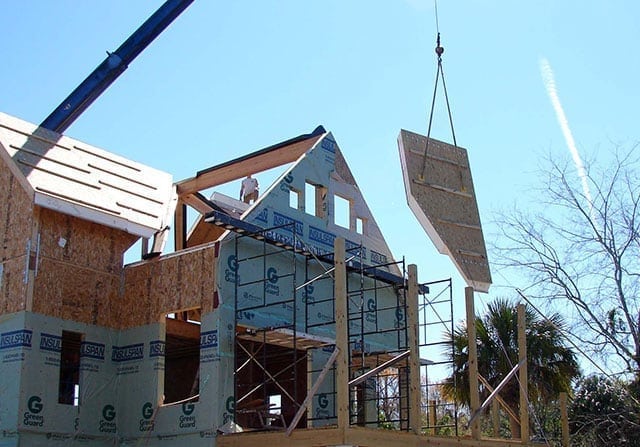
At their core, structural insulated panels are a type of prefabricated building component often described as a “sandwich panel.” For those asking, “What are structural insulated panels?”, they function as a combined structural and insulation system within the building enclosure.
Each SIP panel consists of a rigid insulation core bonded between two structural skins. These layers work together using what’s known as stress-skin behavior, allowing the panel to carry loads while maintaining insulation performance as part of the overall building envelope.
To better understand how structural insulated panels work, it helps to look at their components. The outer skins are commonly made from OSB, though alternative materials may be used depending on performance goals. Inside, foam cores such as EPS, XPS, or polyurethane provide insulation and structural rigidity. Together, these materials allow SIPs to replace multiple layers found in conventional assemblies.
Rather than relying on separate framing, insulation, and sheathing, SIP construction consolidates these elements into a single system. This makes SIPs a strong option for walls, roofs, and floors, especially when using SIP wall panels or sip walls in residential builds. However, performance depends heavily on proper detailing, coordination, and the SIP installation process. They are not a one-size-fits-all solution.
Why SIPs Are Used in High-Performance Construction
One of the primary reasons SIPs are used in modern building is their ability to improve overall energy performance. By reducing gaps and inconsistencies in traditional assemblies, SIPs help support thermal bridging reduction, which can improve comfort and reduce energy loss over time.
When combined with proper detailing, SIPs can contribute to airtight SIP construction, minimizing drafts and temperature fluctuations. This creates a more stable indoor environment, but it also means that systems like mechanical ventilation become an important part of the overall design to ensure healthy air exchange.
Because the building enclosure is tighter, indoor air quality becomes more dependent on intentional design decisions. Properly planned ventilation helps manage humidity, maintain fresh air circulation, and support overall comfort throughout the home.
Compared to conventional framing, SIPs are considered one of today’s high-performance wall systems because they provide more consistent insulation and fewer weak points. Their effectiveness is often evaluated using R-value, but real-world performance depends on how the system is designed, installed, and integrated with the rest of the structure.
Durability is another key factor. Proper moisture control in SIP walls, along with thoughtful water management strategies like flashing and cladding systems, helps protect the home over time. When done correctly, these elements contribute to long-term reliability and comfort.
These advantages highlight the broader SIP construction benefits, particularly for homeowners prioritizing efficiency, comfort, and long-term durability. These performance gains are one reason SIPs are often used in energy-efficient timber homes.
Design and Installation Factors That Make or Break SIP Performance
While SIPs offer clear advantages, performance depends on careful planning and execution. One of the most critical areas is panel joint sealing, where continuity of the air barrier must be maintained. Effective SIP installation typically includes sealants, foams, and tapes working together to ensure consistent results.
Openings and penetrations, such as windows, doors, and mechanical systems, require particular attention. These areas can introduce risk if not properly detailed during the SIP installation process, especially in a system that relies on airtightness.
Because SIPs are part of panelized construction, many decisions must be made earlier in the design phase compared to traditional framing. This includes determining openings, layouts, and coordination between structural and mechanical systems.
Reviewing shop drawings carefully helps ensure that the panels perform as intended once installed. Early coordination is especially important for elements like electrical runs and mechanical systems, which may require pre-planned pathways within the panels. Addressing these details ahead of time helps reduce jobsite modifications and supports more consistent installation quality.
Additional considerations include selecting appropriate SIP panel thickness options and understanding SIP load bearing capacity, both of which influence structural performance and design flexibility. Proper material handling is another key factor. Panels should be protected from excess moisture prior to installation, and crews should follow a clear sequencing plan to maintain alignment and consistent sealing throughout the build.
SIPs with Timber Frame Construction: What to Consider and How to Get Started
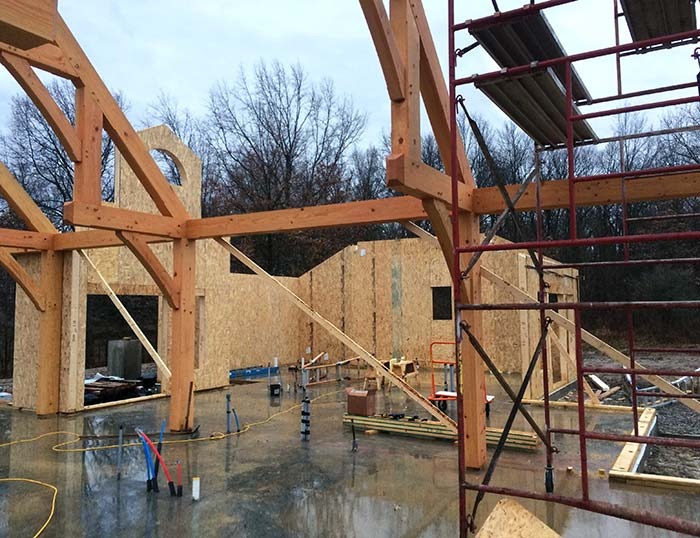
SIPs are often paired with timber framing to create efficient, visually striking homes. In this approach, the timber frame provides the primary structure and architectural character, while SIPs form a continuous enclosure around it, commonly referred to as timber frame SIP hybrid construction.
This division of labor allows homeowners to enjoy the exposed beauty of timber framing alongside the performance advantages of SIPs. Integration requires coordination around panel layout, roof geometry, and attachment methods, particularly in features like vaulted great rooms or complex rooflines.
For those exploring hybrid timber homes, it’s helpful to evaluate project goals, climate conditions, and the experience level of your builder. Early planning plays a major role, especially when coordinating details like sealing methods, water management strategies, and ventilation.
Understanding structural insulated panels cost per square foot is also part of the decision-making process, though costs can vary depending on design complexity, location, and material choices.
If you’re considering SIPs as part of your build, learning more about the home building process can help you understand how early decisions impact long-term performance. You can also explore hybrid timber frame construction and see how it applies to modern builds or browse examples of hybrid timber homes for inspiration.
Riverbend specializes in crafting timber homes that combine traditional craftsmanship with modern building science. If you’re ready to explore your options, we invite you to contact us and start the conversation.